Signs of Hidden Carpet Mold and How to Inspect for It
How to Tell if Carpet Has Mold Beneath the Surface
Mold under carpet is often a hidden problem. You might not see it until the damage is advanced, but there are clear signs that give it away. The most reliable way to detect mold is through a combination of smell, touch, and careful observation. If you suspect moisture has been trapped under your carpet for more than 48 hours, you likely have mold growth that needs professional attention.
What Causes Mold Under Carpet?
Mold needs three things to grow: moisture, warmth, and a food source. Carpet fibers and the backing materials provide the food. Moisture can come from many sources. A slow leak from a pipe, a spill that was not dried properly, high humidity in the room, or water seeping up through a concrete slab can all create the damp conditions mold thrives on. Once moisture is trapped under the carpet, the padding and the subfloor become a perfect environment for mold to spread. It can grow for weeks or months without being seen from above.
Key Signs of Mold Beneath Carpet
Your senses are your first tools. A musty, earthy smell is often the earliest warning. If a room smells damp even when everything looks dry, pay attention. The odor is caused by microbial volatile organic compounds (MVOCs) that mold releases as it grows. You might also notice a change in the carpet's texture. Areas that feel spongy, damp, or cooler to the touch than the surrounding carpet are likely holding moisture underneath. Press down on the carpet with your hand. If it feels soft or gives way more than usual, the padding below might be wet and growing mold.
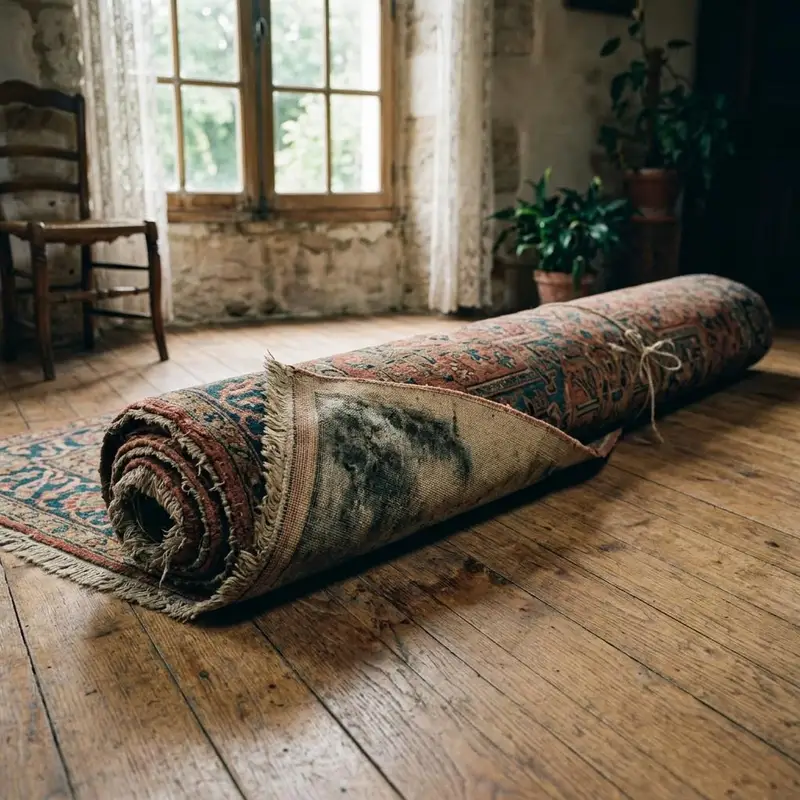
Look for discoloration on the carpet surface. Dark spots, yellowing, or greenish stains can appear as mold works its way up through the fibers. Sometimes the discoloration is on the backing, visible only if you lift a corner of the carpet. Check baseboards and the edges of the room. Mold often appears first along walls, where moisture wicks up from the floor. Dark lines along the baseboard or a white powdery residue on the carpet edge are both clues.
How to Conduct a Carpet Mold Inspection
A thorough carpet mold inspection involves more than just looking at the surface. Start by checking the areas most likely to hide moisture. These include spots near plumbing, around exterior doors, under windows, and in basements or rooms below grade. Move furniture and look underneath. Heavy furniture can trap moisture and block airflow, creating ideal spots for mold.
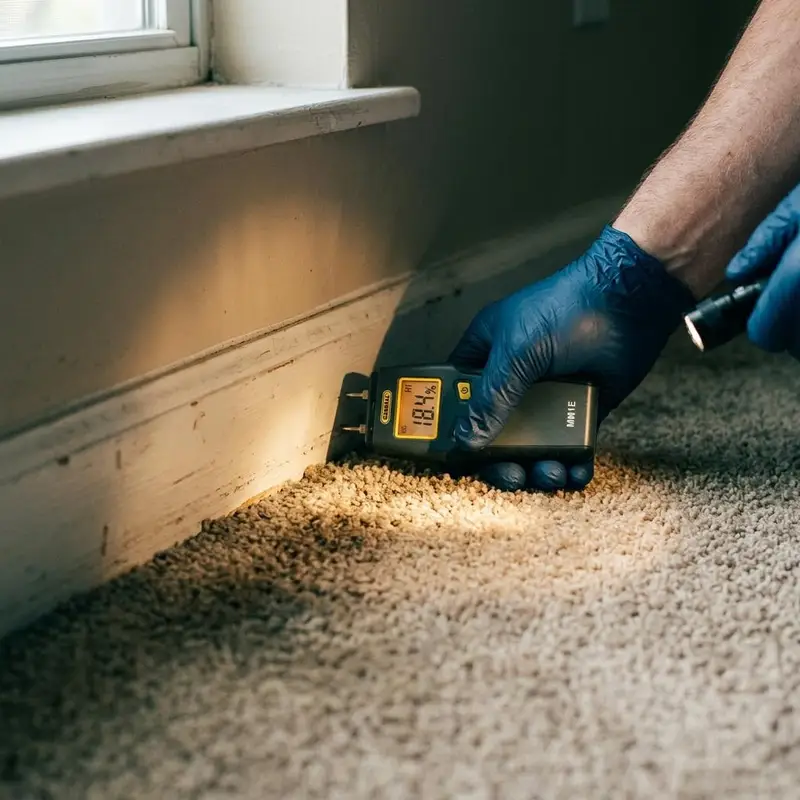
Use a moisture meter if you have one. These handheld devices measure the moisture content of the carpet and the subfloor. They are available at hardware stores and give a numerical reading. Any reading above 15 percent in the subfloor or backing is a warning sign. If you do not have a meter, press a piece of clear plastic wrap tightly against the carpet and tape down the edges. Leave it for 24 hours. If condensation forms on the underside of the plastic, moisture is rising from below.
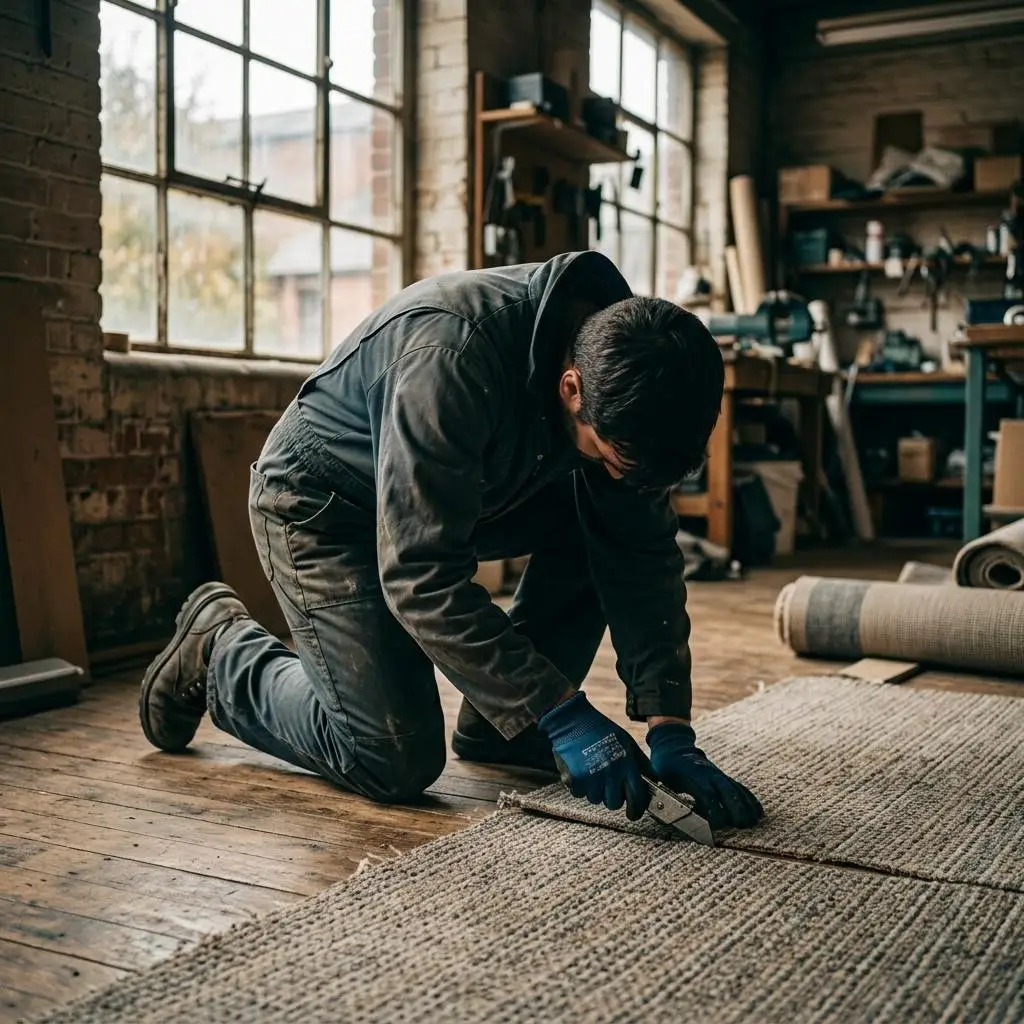
Lift a corner of the carpet carefully. Pull back the edge near a wall or in an inconspicuous spot. Look at the padding and the subfloor. Black, green, or white patches are mold. Even if you see no visible growth, a damp smell from the padding is enough to confirm a problem. Wear gloves and a mask when doing this. Disturbing mold can release spores into the air.
Pay attention to your own physical reactions. If you or others in the building start coughing, sneezing, or feeling headaches when in a certain room, mold might be the cause. Allergic reactions are a strong indicator that mold is present, even if you cannot see it. These symptoms often appear before visible signs of mold become obvious.
When to Call in Professionals
Not all mold problems can be handled with a DIY inspection. If the affected area is larger than a few square feet, if the mold has spread to the subfloor or drywall, or if you have health concerns, it is time to get expert help. Carpet Mold Removal Services Pros have the equipment and training to assess the full extent of the damage. They use moisture meters, thermal imaging cameras, and air quality tests to find hidden mold that a visual check might miss. They also know how to contain the area to prevent spores from spreading to other parts of the building.
If you find mold, do not try to clean it with bleach or household cleaners. Bleach does not kill mold on porous surfaces like carpet padding and wood. It only whitens the surface while leaving the roots alive. Professional remediation involves removing contaminated materials, drying the structure, and treating the subfloor to prevent regrowth. This is not a job for a rented steam cleaner or a home remedy. The goal is to remove the mold completely and fix the moisture problem so it does not return.
Preventing Mold Under Carpet
Prevention starts with moisture control. Keep indoor humidity between 30 and 50 percent. Use exhaust fans in bathrooms and kitchens. Fix any plumbing leaks immediately. If you live in a humid climate or have a basement, consider a dehumidifier. Do not install carpet over concrete slabs unless the concrete has been properly sealed and tested for moisture. Even then, use a moisture barrier underneath the padding.
Clean up spills thoroughly. Blot up as much liquid as possible, then use fans and dehumidifiers to dry the area completely. Do not assume that a quick vacuum will remove all the moisture. Carpet padding acts like a sponge and can hold water for days. If a large spill soaks through to the padding, it is often better to pull up the carpet and dry everything from below.
Inspect your carpet regularly, especially in areas that see little traffic or sunlight. Move furniture every few months to allow air circulation. Check under area rugs, which can trap moisture against the carpet below. If you notice any of the signs described here, act quickly. The longer moisture sits, the more mold will grow, and the harder it will be to remove.
The Importance of Professional Mold Inspection
A professional carpet mold inspection goes beyond what you can do on your own. Experts can identify the type of mold, measure spore counts in the air, and find the exact source of the moisture. They also know where mold is likely to hide: under baseboards, in the tack strip area, and in the subfloor joints. Carpet Mold Removal Services Pros use this knowledge to target the remediation exactly where it is needed, saving time and reducing the chance of regrowth. Without a proper inspection, you might clean the surface while leaving the real problem untouched.
If you are buying a home or moving into a rental, include a mold inspection in your due diligence. Older homes, homes with basements, and homes in flood-prone areas are especially at risk. A simple visual check is not enough. Mold can be growing beneath the carpet without any visible sign on the surface. A professional inspection gives you the full picture and helps you make an informed decision about the property.
Final Thoughts
Knowing whether carpet has mold beneath the surface requires more than a casual glance. Use your nose, your hands, and a few simple tools to check for moisture and growth. If you find signs of mold, do not ignore them. The problem will only get worse over time. For larger areas or persistent moisture issues, professional help is the safest and most effective solution. With a thorough carpet mold inspection and the right follow-up, you can protect your home and your health from the hidden dangers of mold under carpet.